
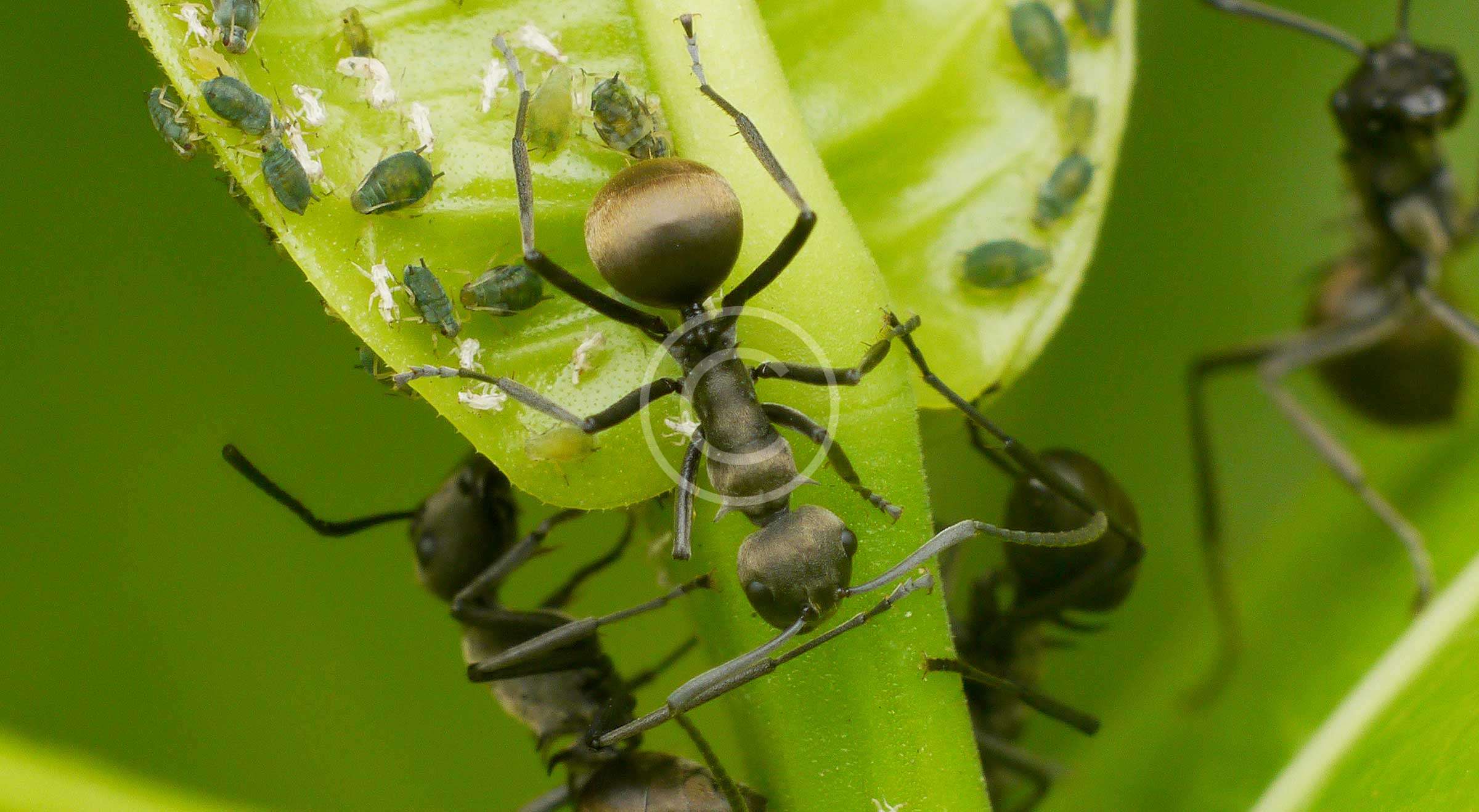
If you’ve seen ants in your kitchen, you’re not alone — ant problems are one of the most common pest calls Murray Pest Control receives from Stillwater and central Oklahoma homeowners. What most people don’t realize is that the ant you see is rarely the ant you’re dealing with. Understanding the species, their behavior, and the right control approach makes all the difference.
Why Oklahoma Has Serious Ant Problems
Oklahoma sits at the crossroads of several ant ranges. The red imported fire ant has aggressively expanded northward through the state over the past few decades and is now well-established throughout Payne County and central Oklahoma. At the same time, indoor species like the odorous house ant, German cockroach’s nemesis the Argentine ant, and the structurally damaging carpenter ant all call Oklahoma home.
Oklahoma’s warm summers, abundant food sources, and red clay soils that hold moisture create near-ideal conditions for colony growth. Fire ant mounds appearing after spring rain are a familiar sight for Oklahoma homeowners.
The Most Common Ants in Oklahoma Homes
Odorous House Ant
The most common kitchen ant in Oklahoma. Small, dark brown, and named for the rotten coconut smell they emit when crushed. They forage for sweets and proteins and establish trails that are difficult to break without treating the colony.
Red Imported Fire Ant
Established throughout central Oklahoma. Aggressive defenders of their mound who sting repeatedly. A serious health risk for those with allergies. Their deep, branching colonies require the professional two-step treatment method to eliminate effectively.
Carpenter Ant
Large black ants (up to 1/2 inch) that excavate wood to nest — not eat it. Unlike termites, their galleries are smooth and clean. Commonly found in older Stillwater homes with moisture-damaged wood. Left untreated, they cause significant structural damage.
Pavement Ant
Small, dark ants that nest under sidewalks and foundations. They enter homes through cracks and foraging trails. Less aggressive than fire ants but persistent indoor invaders, particularly in spring and summer.
Why DIY Ant Control Often Fails
The ants you see inside your home are scout workers — typically 10-20% of the colony population. Killing the visible ants with a spray doesn’t reach the queen or the colony. Worse, contact repellent sprays can scatter foraging workers into new areas of your home, making the problem appear to spread. The only way to eliminate an ant infestation is to target the colony itself.
For fire ants specifically, the professional two-step method — broadcast bait across the property combined with individual mound treatment for immediate threats — is significantly more effective than broadcast bait alone or individual mound treatments alone. Jake Murray’s entomology background from Oklahoma State University means we select and apply the right bait formulation for current conditions, timing that the average DIY application misses.
Prevention Tips for Oklahoma Homeowners
- Store food in sealed containers — including pet food
- Fix leaky faucets and address moisture problems under sinks
- Keep mulch 6 inches away from your foundation
- Seal gaps around utility penetrations and door/window frames
- Have a perimeter treatment applied in spring before peak ant season begins
Have a pest problem in Oklahoma? We can help.
Jake Murray is the owner of Murray Pest Control in Stillwater, Oklahoma, and holds a B.S. in Entomology from Oklahoma State University.