
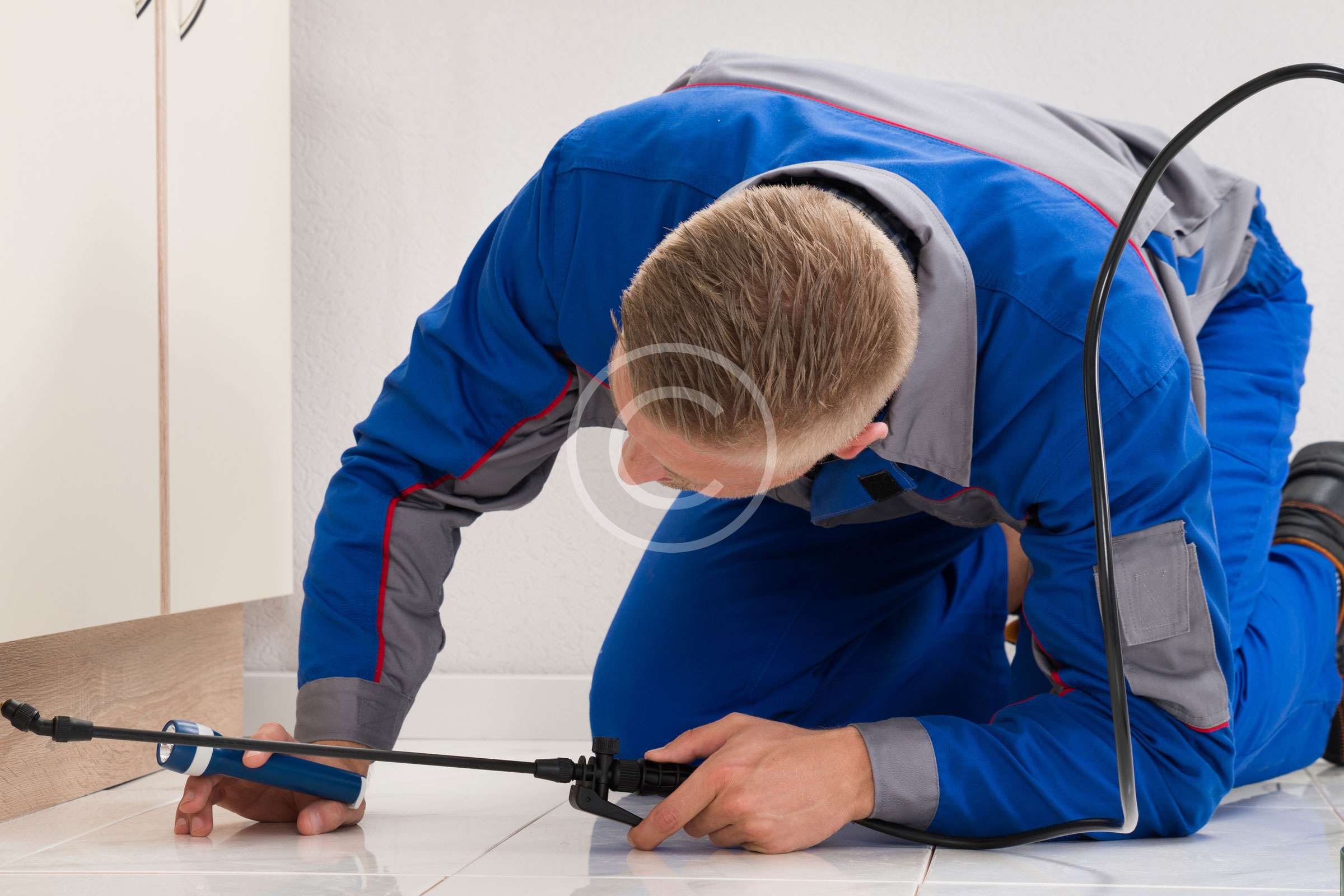
Every fall, Murray Pest Control sees a predictable spike in rodent service calls from homeowners across Stillwater, Edmond, and central Oklahoma. As temperatures drop in September and October, mice and rats begin moving from agricultural fields and open land toward the warmth and food sources of residential structures. But not all homes experience the same level of rodent pressure — and the reasons why are worth understanding.
Why Oklahoma Has Significant Rodent Pressure
Central Oklahoma’s landscape — a mix of agricultural land, suburban development, and open prairie — creates ideal conditions for high rodent populations. During harvest season, field disturbance drives mice and rats away from their natural habitat and toward structures. The proximity of Stillwater, Edmond, and surrounding communities to agricultural land makes fall rodent influx a predictable annual challenge.
More recently, the roof rat — historically an urban species — has been expanding its range through the Oklahoma City metro area into suburban communities like Edmond, Yukon, and Mustang. Unlike the common house mouse or Norway rat that prefers ground-level entry, roof rats travel overhead along utility lines and enter through gaps in rooflines and soffits.
Why Some Oklahoma Properties Get More Rodents
The same neighborhood can have homes with serious rodent problems and homes with none. The difference usually comes down to a few factors:
- Entry points: Mice can enter through gaps as small as 1/4 inch. Homes with gaps around pipes, damaged vents, or aging door sweeps are significantly more vulnerable.
- Food availability: Unsecured garbage, bird feeders, pet food left outside, and fruit trees all act as attractants that draw rodents to your property first.
- Proximity to agricultural land: Properties adjacent to fields or undeveloped land in Payne County experience more pressure during harvest season when field rodents are displaced.
- Structural condition: Older homes with more crevices, settling foundations, and original weatherstripping provide more entry opportunities than newer construction.
- Adjacent properties: In multi-family housing or attached structures, a rodent problem in a neighboring unit can spread to yours.
Health Risks Oklahoma Homeowners Should Know
Deer mice — common throughout rural and suburban Oklahoma — are the primary carrier of Hantavirus Pulmonary Syndrome (HPS). HPS is rare but can be fatal, and transmission occurs through inhaling dust contaminated with infected rodent droppings, urine, or saliva. Never dry-sweep mouse droppings — always wet the area first and wear a respirator. Norway rats and house mice also carry Salmonella and other pathogens that contaminate food preparation surfaces.
Beyond disease, rodents cause significant property damage by gnawing on electrical wiring — a documented cause of house fires — as well as insulation, structural wood, and plumbing.
What Murray Pest Control Recommends
The most effective rodent control combines three elements: exclusion (sealing entry points with materials rodents can’t chew through — steel wool, copper mesh, hardware cloth), population reduction (targeted trapping and bait stations in the right locations), and monitoring (regular inspection to catch reinfestation before it establishes). Murray Pest Control handles all three and can advise on the conditions specific to your property that are driving rodent pressure.
For Stillwater and central Oklahoma homeowners, we recommend pre-season exclusion inspections in August-September before the fall influx begins — prevention is far less disruptive and expensive than remediation.
Have a pest problem in Oklahoma? We can help.
Jake Murray is the owner of Murray Pest Control in Stillwater, Oklahoma, and holds a B.S. in Entomology from Oklahoma State University.